
Day 26 - Rotorua NZ
Great cultural experience
OCEAN CRUISE
1/31/20262 min read
Weather
Sunny, 74 degrees
Map
What we did
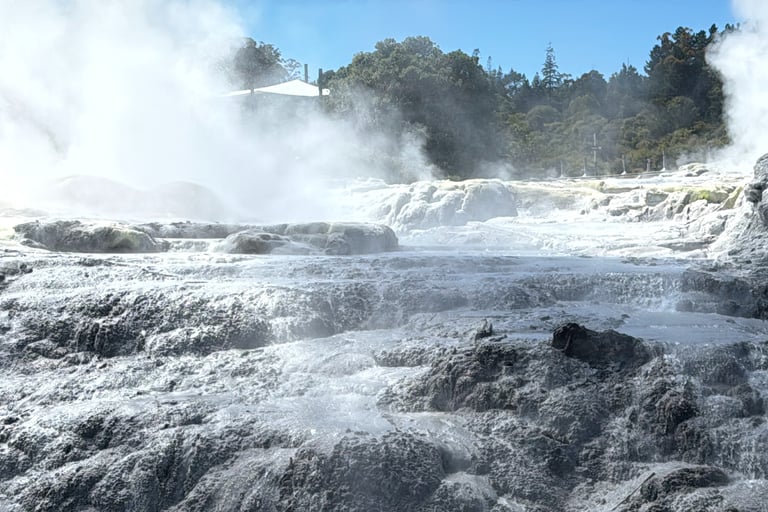
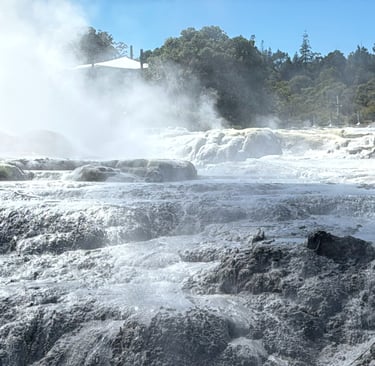
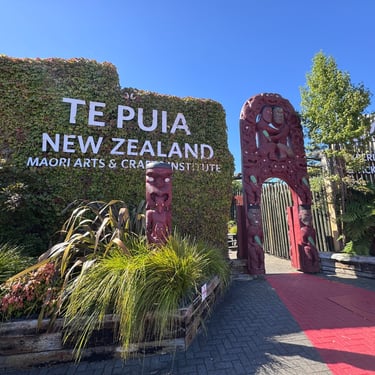
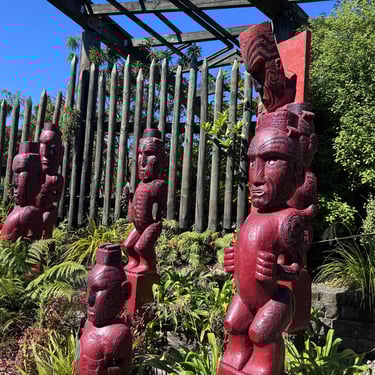
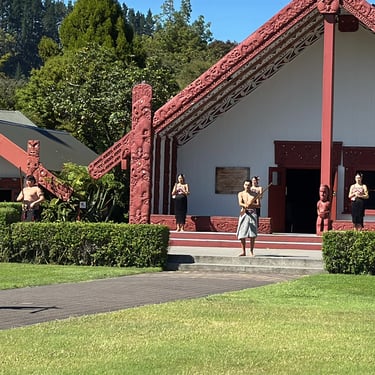
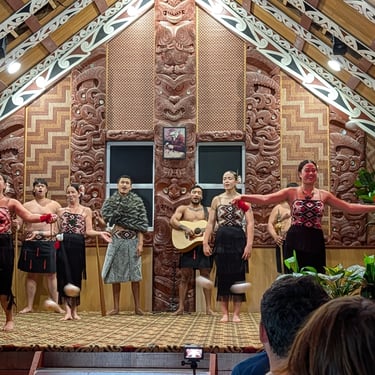
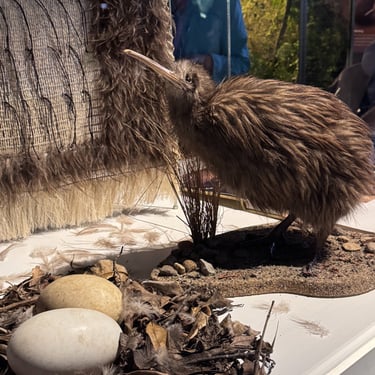
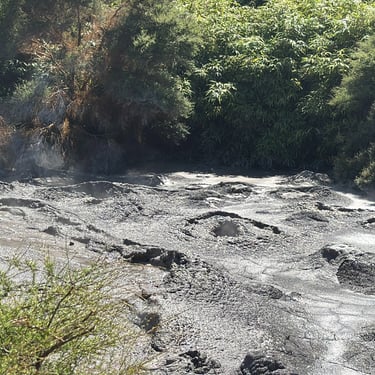
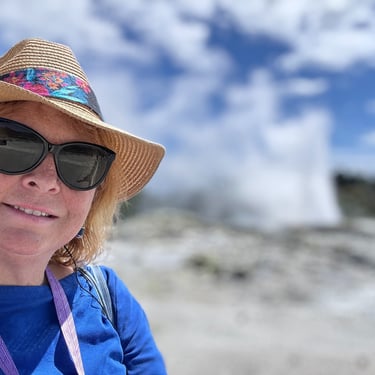
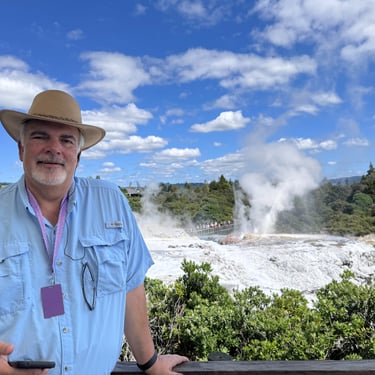
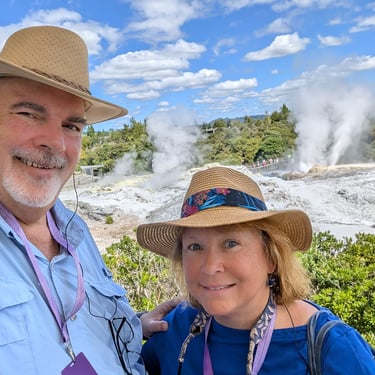
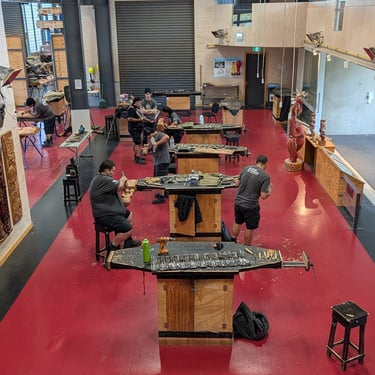
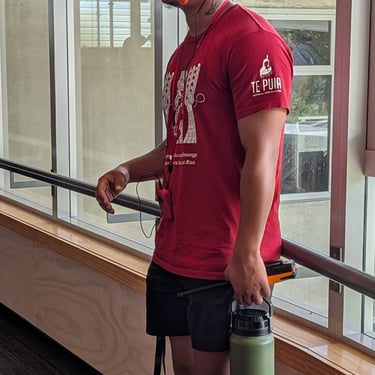
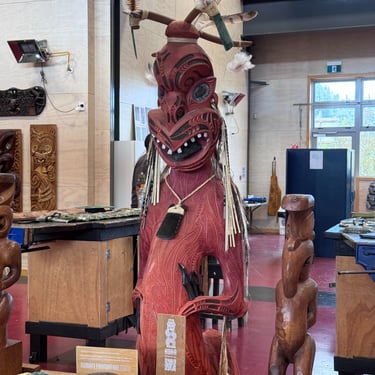
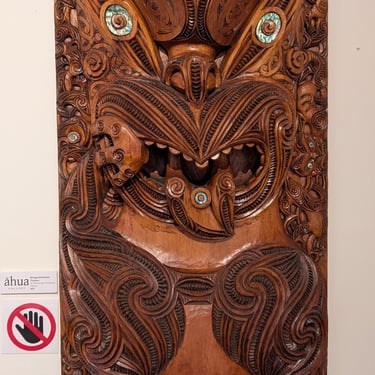
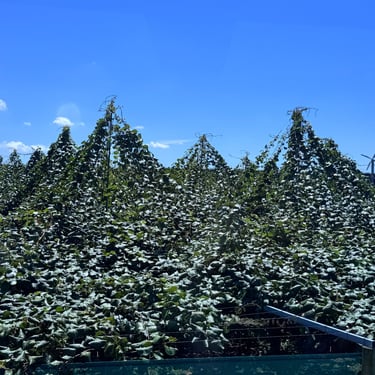
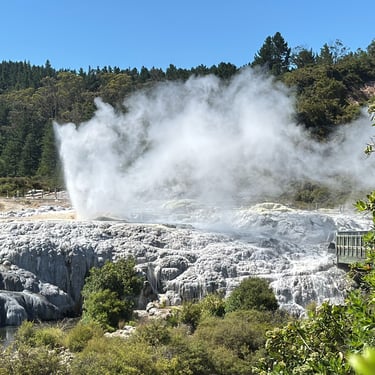
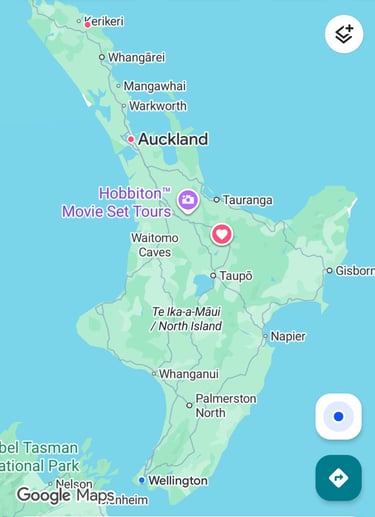
Our tour today was fantastic! It started with an hour long bus ride to a Maori Cultural Center. The first part of our tour included participating in a Māori customary meeting, or pōwhiri. This is a formal, sacred ritual of encounter held on a marae (meeting ground) to welcome visitors. After that we were welcomed into their meeting house where they sang and danced for us and introduced us to many of their customs. This place is also a geothermal preserve and Kiwi habitat, so we were able to see three Kiwi (in captivity). They are nocturnal birds and are being wiped out by animals like dogs, cats, ferrets and rats that the settlers brought over and despite conservation efforts, they are losing about 2% of the population each year. We were not allowed to take pictures in their nocturnal environment. We then saw the geothermal geysers, which the Maori people used for cooking. Just fantastic. After, we visited Te Puia, the Maori Arts & Crafts Institute , where we learned more about the Maori art forms especially carving and weaving. The trip included lunch and it was delicious. They had a buffet with lots of wonderful foods including traditionally cooked meets. Hāngī is a traditional New Zealand Māori method of cooking food using heated rocks buried in a pit oven. On the way back, our bus driver went by Kiwi fruit fields. It takes 2 years to grow kiwis. They build platforms for the kiwis (pictured below). Then, they build sort of tepee looking structures for the vines to grow on. The upper vines on the tepee are immature and they don't pick the fruit from their, only on the bottom of the platform. When it comes time to harvest, they walk beneath the platforms and pick the kiwis on the flat part of the platform. They then collapse the tepees, and those vines will bear fruit the following year.
Cultural Highlights/Local Flavors
Kia ora" (kee-OR-ah) - meaning hello or "good health" in Maori.
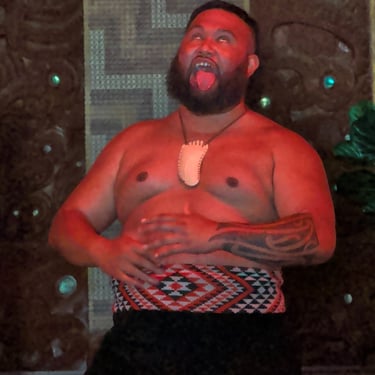
In Māori culture, sticking out the tongue during a haka (war dance) or challenge (wero) is called whētero (for men) or part of the pūkana (facial expression), symbolizing defiance, intense passion, and a challenge to opponents. It signifies fearlessness, a warrior's spirit, and a threat to "devour" enemies.
The Kiwi is the national bird of New Zealand and is on the endangered species list. Once it boasted millions of these nocturnal birds as they had no natural predators and had no defense against cats, dogs and ferrets that the settlers brought to the island nearly 200 years ago. The population is now around 70,000 and we witnessed many conservation efforts while visiting New Zealand.
Explore
Join us on our travel adventures and tips.
Info
atkullgren@gmail.com
© 2025. All rights reserved.